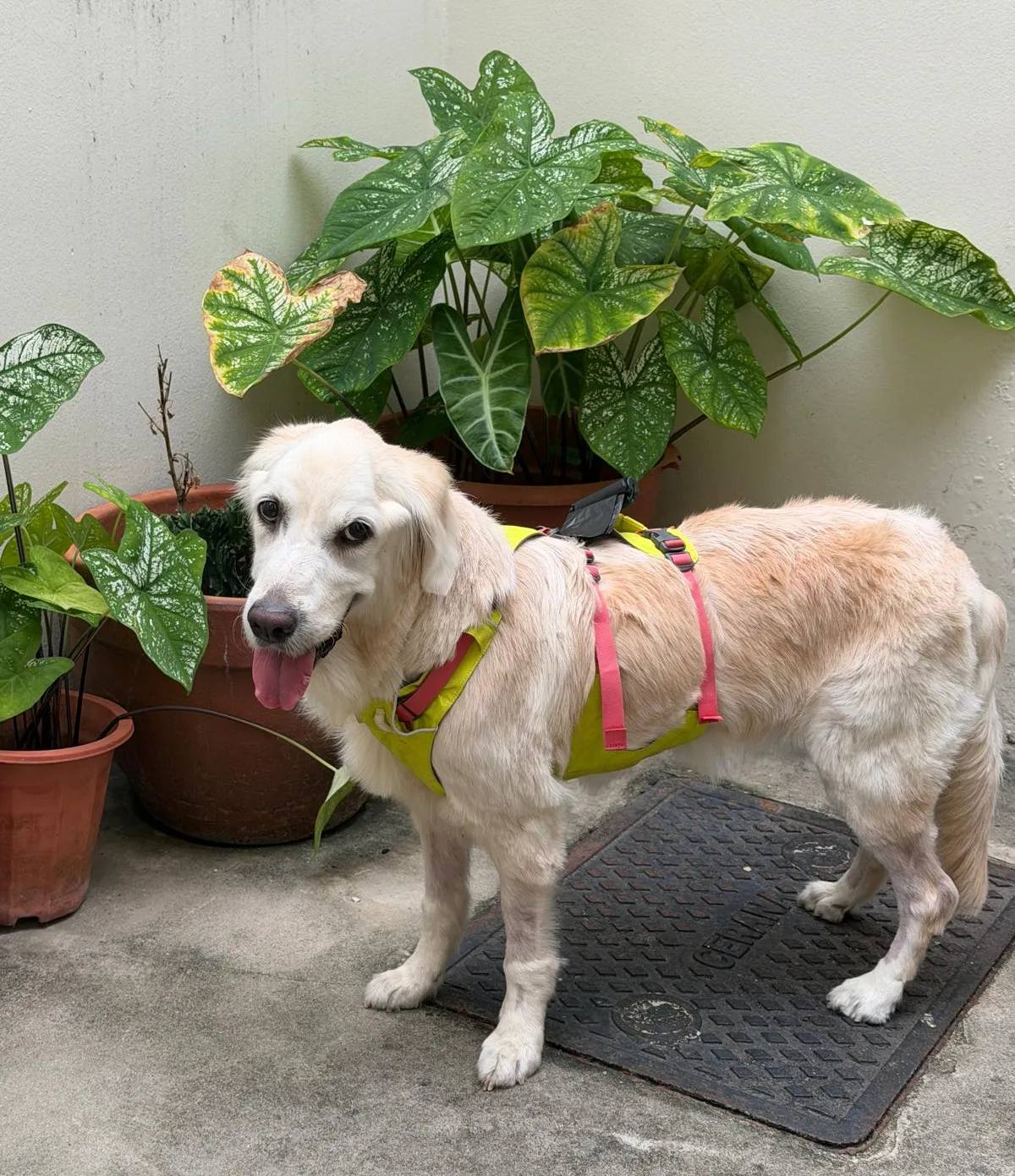
Meet Eden, a 5-year-old female golden retriever,
who overcame the odds and is running again!
We first met Eden in early August last year, when she had just been discharged from intensive care at one of the busiest vet hospitals. Eden had been diagnosed with Meningoencephalitis of Unknown Origin (MUO), an often fatal inflammatory disease of the central nervous system. Symptoms are generally acute and include seizures, neck pain, difficulties walking, weakness and even paralysis.
What is MUO?
The underlying etiology of this disease is unknown but it is suggested that it might be due to an underlying immune mediated dysfunction, causing the immune system to attack the nervous system. Current approach to treatment is intensive and long-term, involving a combination of immunosuppressants, Traditional Chinese Veterinary Medicine (TCVM) and rehabilitation.
From a TCVM perspective, MUO can be classified as either Damp Heat affecting the brain, or Wind-Phlegm causing stagnation in the brain .
Treatment is focused on clearing heat and damp, promoting Qi/ blood circulation and nerve regeneration. Other benefits of TCVM include supporting the body’s immune system and reducing side effects of long-term immunosuppressants.
Often, affected dogs suffer neurological deficits and significant muscle atrophy, thus rehabilitation plays a vital role in improving their mobility and strength. Recovery may take 3-6 months.
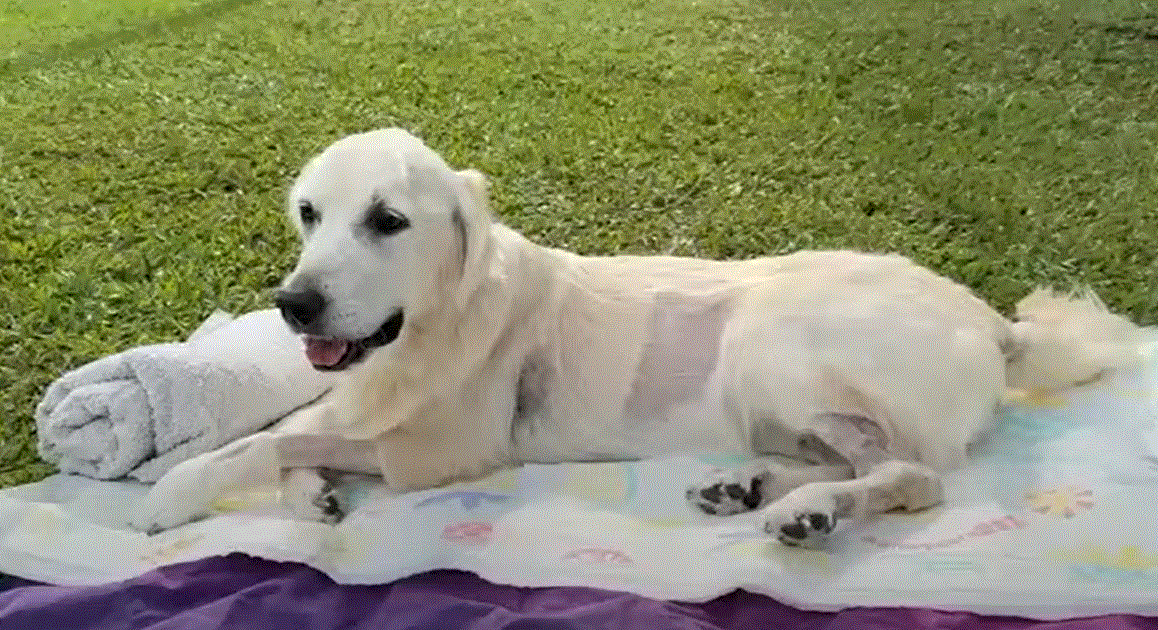
Main rehabilitation goals:
- Neuromuscular engagement through sensory stimulation and acupuncture.
- Preventing complications such as bedsores, aspiration pneumonia and urinary tract infections.
- Supporting gradual neurological recovery with structured home rehabilitation.
Follow Eden on her recovery journey!
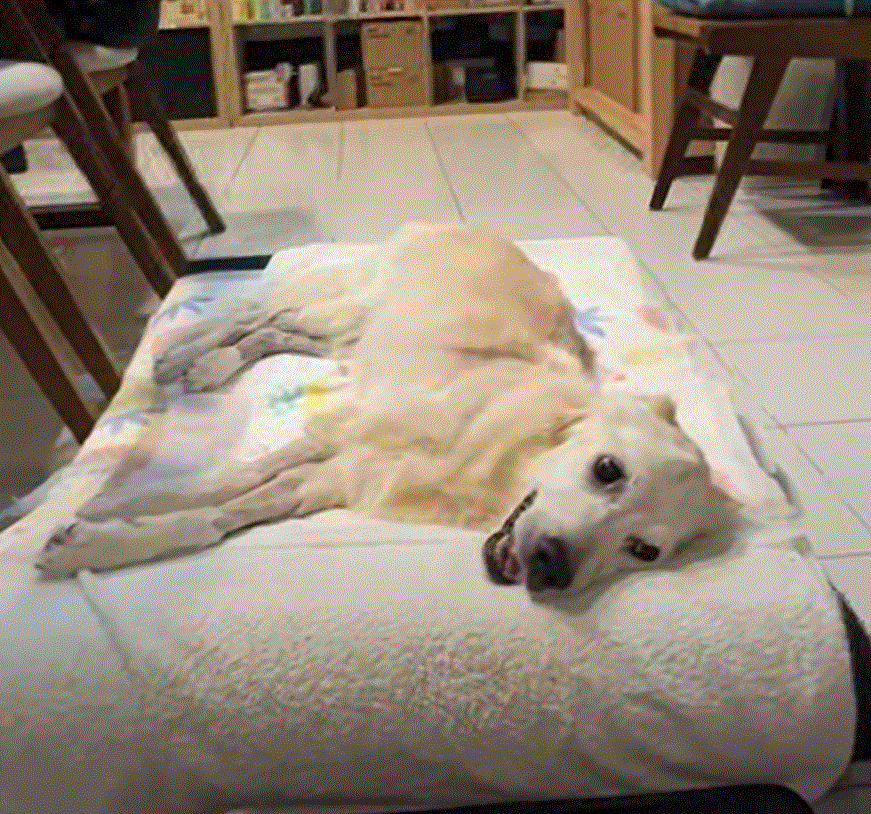
Early August 2025
Diagnosed with meningoencephalitis, she had just been discharged after being hospitalised for about 2 weeks in intensive care. Eden remained in bright spirits but was recumbent and barely able to lift up her head.
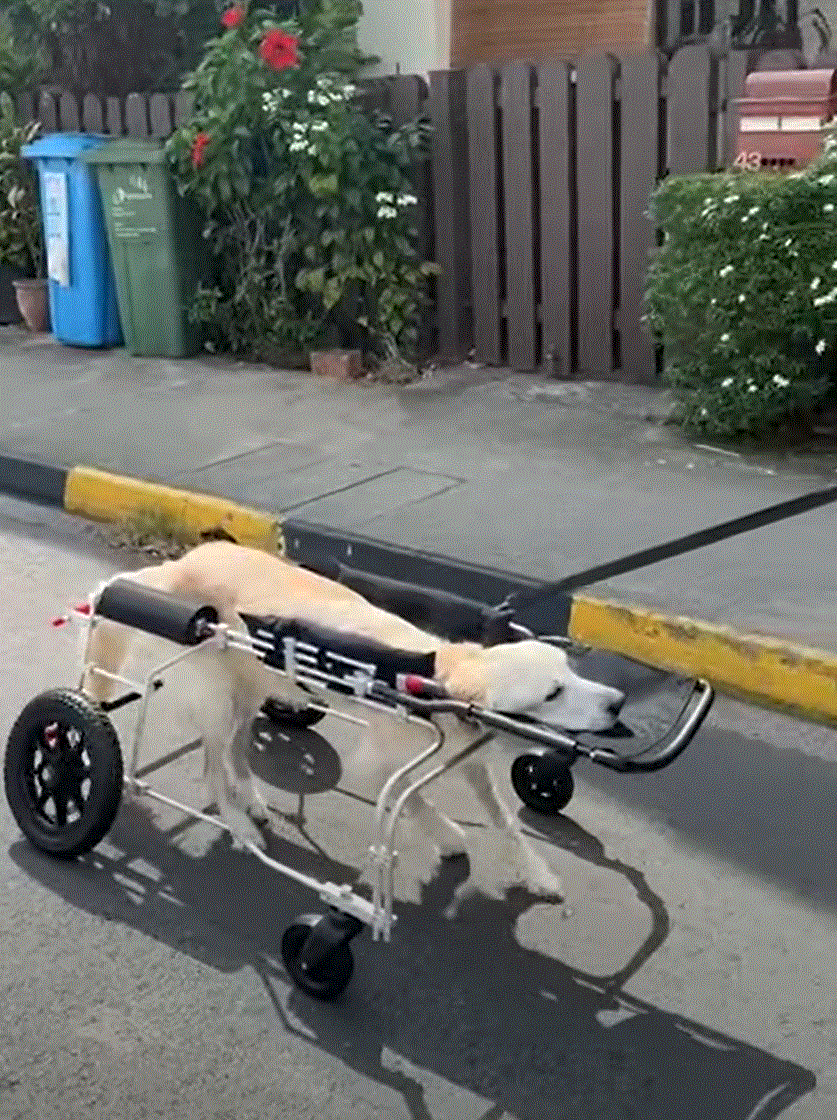
Late August 2025
Started wheelchair-assisted walking, letting Eden go for short regular walks, at her own pace.
This prevents her joints from stiffening up, supports circulation, and also provides mental stimulation.
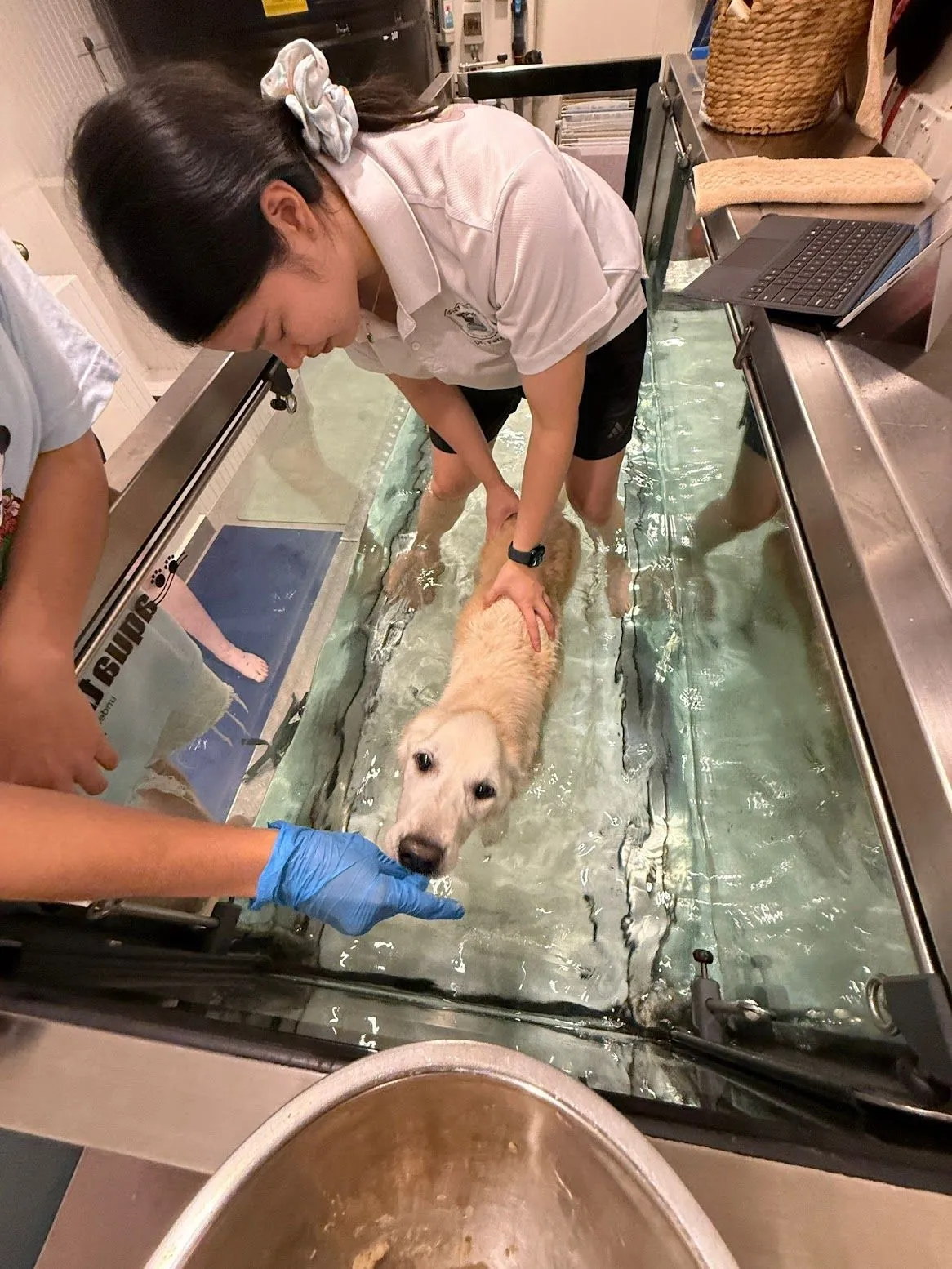
Mid September 2025
Began hydrotherapy and she loves it!
Underwater treadmill offers a low-impact environment to build strength and improve stride.

This is Eden now.
Back to her bubbly self and enjoying the outdoors! She couldn't have done it without the love, suppawt and dedication from her family! See more of her recovery videos on our instagram!

