
Introduction:
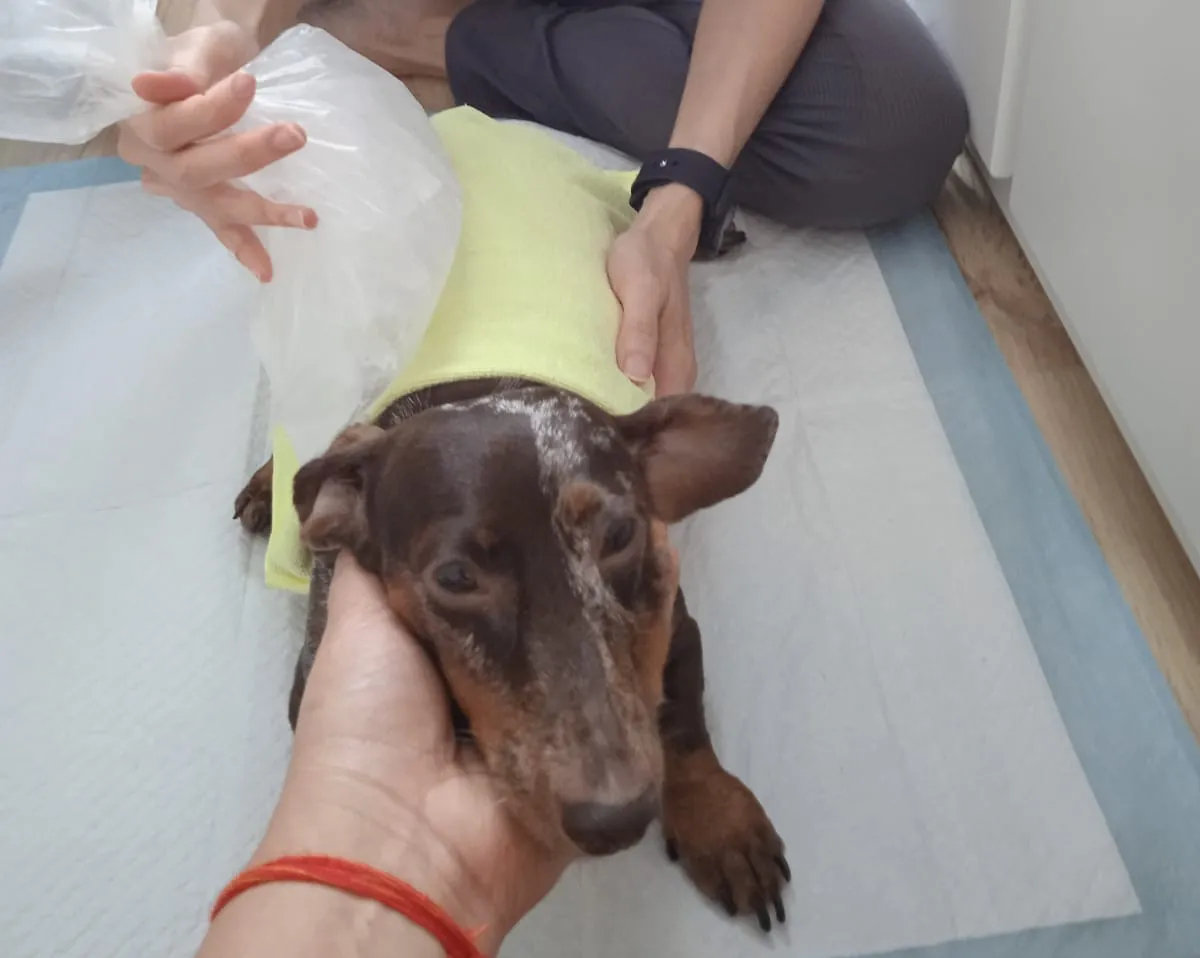
Hot and cold compresses are a simple and effective home remedy for managing your pet's pain. Heat therapy can relax stiff joints and muscles, improving comfort and blood flow to the area. It is suitable for chronic inflammation or long-standing discomfort. Cold compresses cause blood vessel constriction and are suitable for acute inflammation or recent injuries where there is swelling.
When to use a hot compress:
Muscle Stiffness:If your pet has been particularly active or is showing signs of muscle stiffness, a warm compress can help ease tension and promote muscle relaxation.
Arthritis and Joint Pain:Senior pets or those with arthritis can benefit from the soothing warmth of a hot compress applied to achy joints. This can enhance comfort and improve mobility.
Post-Surgery Comfort:After a veterinary procedure, a gentle hot compress can aid in pain management and help your pet relax during the recovery period.
How to perform hot compress?
Fill a hot and cold pouch with hot water (around 40-45 degrees Celsius), test the temperature on your skin, and place it on the affected area for 10-15 minutes. Use a towel as a barrier if the hot pack is too hot to prevent burning the animal's skin. After heat therapy, perform massages, stretches, or passive range of motion exercises to further relieve joint and muscle stiffness.
When to use cold compress?
Swelling and Inflammation:Cold compresses are excellent for reducing swelling and inflammation caused by minor injuries, such as sprains or strains.
Painful Areas:If your pet has a specific area that seems to be causing them pain, such as a sore paw or an irritated spot, a cold compress can provide relief by numbing the area.
Post-Exercise:After vigorous play or exercise, a cold compress can help prevent potential inflammation and soreness.
How to apply cold compress?
Use crushed ice wrapped in a towel or a cold pack filled with ice cubes and cold water. Place the cold compress directly on the skin, using a wet towel as a barrier if the animal is sensitive to cold. Apply cold compresses for a minimum of 20 minutes, but stop if the pet shows discomfort or tries to move away from the cold application.
Conclusion:
When it comes to our four-legged friends, providing comfort and relief from pain is a top priority. Hot and cold compresses are simple yet effective home remedies that can contribute to your pet's well-being. However, it's important to remember that every pet is unique, and their responses to these therapies may vary. If your pet's condition persists or worsens, consulting a veterinarian is essential. By using hot and cold compresses responsibly and with care, you can offer your beloved companion some much-needed relief and support their journey to recovery.