
Introduction:
As pet owners, ensuring our furry companions' well-being is a top priority, especially when they experience pain or discomfort. Advanced pain management techniques, such as Transcutaneous Electrical Nerve Stimulation (TENS) and Low-Level Laser Therapy (LLLT), can offer targeted relief for your pets in the comfort of your own home. In this blog, we'll explore the benefits, considerations, and proper techniques of using TENS devices and laser therapy as home remedies for pet pain management.
Understanding TENS and Laser Therapy:
Transcutaneous Electrical Nerve Stimulation (TENS) involves the use of low-voltage electrical currents to stimulate nerves and alleviate pain. This non-invasive therapy uses gentle electrical currents to block pain signals, providing effective relief without side effects. Low-Level Laser Therapy (LLLT), also known as cold laser therapy, uses light with specific characteristics to stimulate the body's cells and promote healing and regeneration. Healthier cells and tissues lead to reduced pain and swelling.
Both techniques are non-invasive and have gained popularity in veterinary medicine due to their potential to provide relief for various conditions.
When to Use TENS Device:
Chronic Pain:TENS can be beneficial for pets suffering from chronic conditions such as arthritis, where consistent pain management is needed.
Muscle and Joint Pain:Pets with muscle or joint pain due to aging, injury, or overexertion may find relief through TENS therapy.
Post-Operative Recovery:After surgical procedures, TENS can aid in reducing post-operative pain and promoting healing.
How to Use TENS Device:
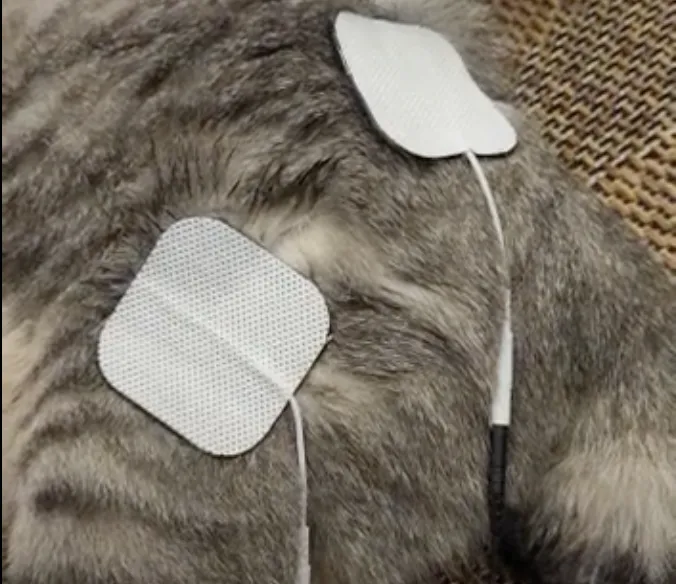
Before using a TENS device on your pet, consult with a veterinarian to determine if it's appropriate for your pet's condition. Follow the manufacturer's guidelines for electrode placement. Generally, electrodes should be placed near the painful area, but not directly on open wounds or sensitive areas. Start with the lowest intensity setting and gradually increase if your pet is comfortable. Sessions typically last around 15-30 minutes, but consult your vet for specific guidance.
When to Use Laser Therapy:
Acute Injuries:Laser therapy can help reduce inflammation and pain associated with acute injuries like strains, sprains, or minor wounds.
Wound Healing:LLLT can promote faster healing of surgical incisions or wounds by stimulating cell regeneration.
Arthritis Relief:Pets with arthritis can benefit from laser therapy to reduce inflammation and improve joint mobility.
How to Use Laser Therapy:
Always consult with your veterinarian before using a laser therapy device. They can guide you on the appropriate settings for your pet's condition. Wear protective goggles for both you and your pet to shield your eyes from the laser light. Hold the laser device about an inch away from the treatment area and move it slowly in a circular motion. The duration of treatment will vary based on the device and your vet's recommendations.
Conclusion:
TENS devices and laser therapy offer innovative and non-invasive approaches to pain management for your pets. While these techniques can provide relief, it's crucial to remember that individual responses may vary. Consulting a veterinarian before starting any new pain management regimen is essential to ensure the safety and well-being of your furry friend. By using TENS devices and laser therapy responsibly and under professional guidance, you can contribute to your pet's comfort, support their healing process, and enhance their overall quality of life from the comfort of your home.