Why ARK treats pain with more than one tool

When a pet is in pain, the first instinct is often medication. Anti-inflammatory drugs have an important place in veterinary medicine, but some pets are sensitive to them, and long-term use can bring side effects such as stomach upset or extra strain on the liver and kidneys. You can read more in Dr Priya’s guide to NSAID and steroid side effects in pets.
At ARK, every pain management plan begins with an assessment. The team then combines the therapies that suit your pet’s condition, stage of recovery and temperament, and adjusts the plan as your pet improves. Any change to prescribed medication should be discussed with the veterinarian who prescribed it.
The therapies in a pain management plan
Each therapy has a purpose. Your pet’s plan uses the ones that suit their condition, and the mix changes as they improve.

Laser therapy
Focused therapy laser light acts on the cells to support blood flow, tissue healing and the modulation of inflammation, and may ease the perception of pain.
Pet laser therapy →
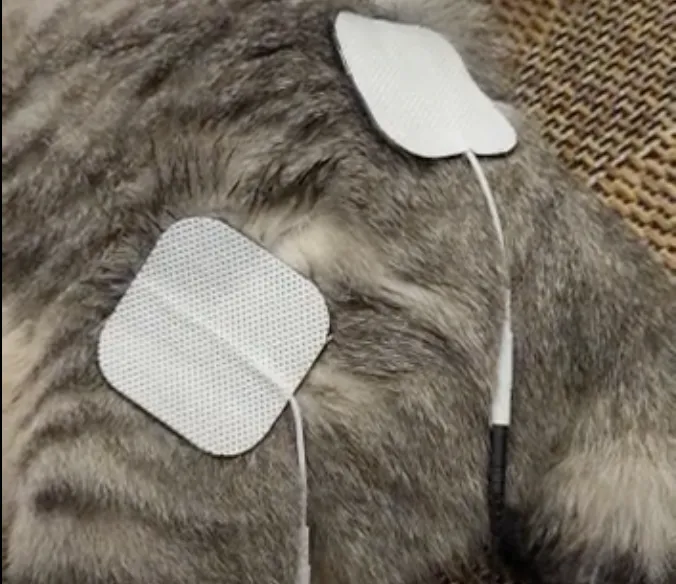
TENS electrotherapy
A mild electrical current changes the way pain signals travel to the brain. Gentle and adjustable, it is often used for chronic and post-surgical pain.
TENS and NMES →
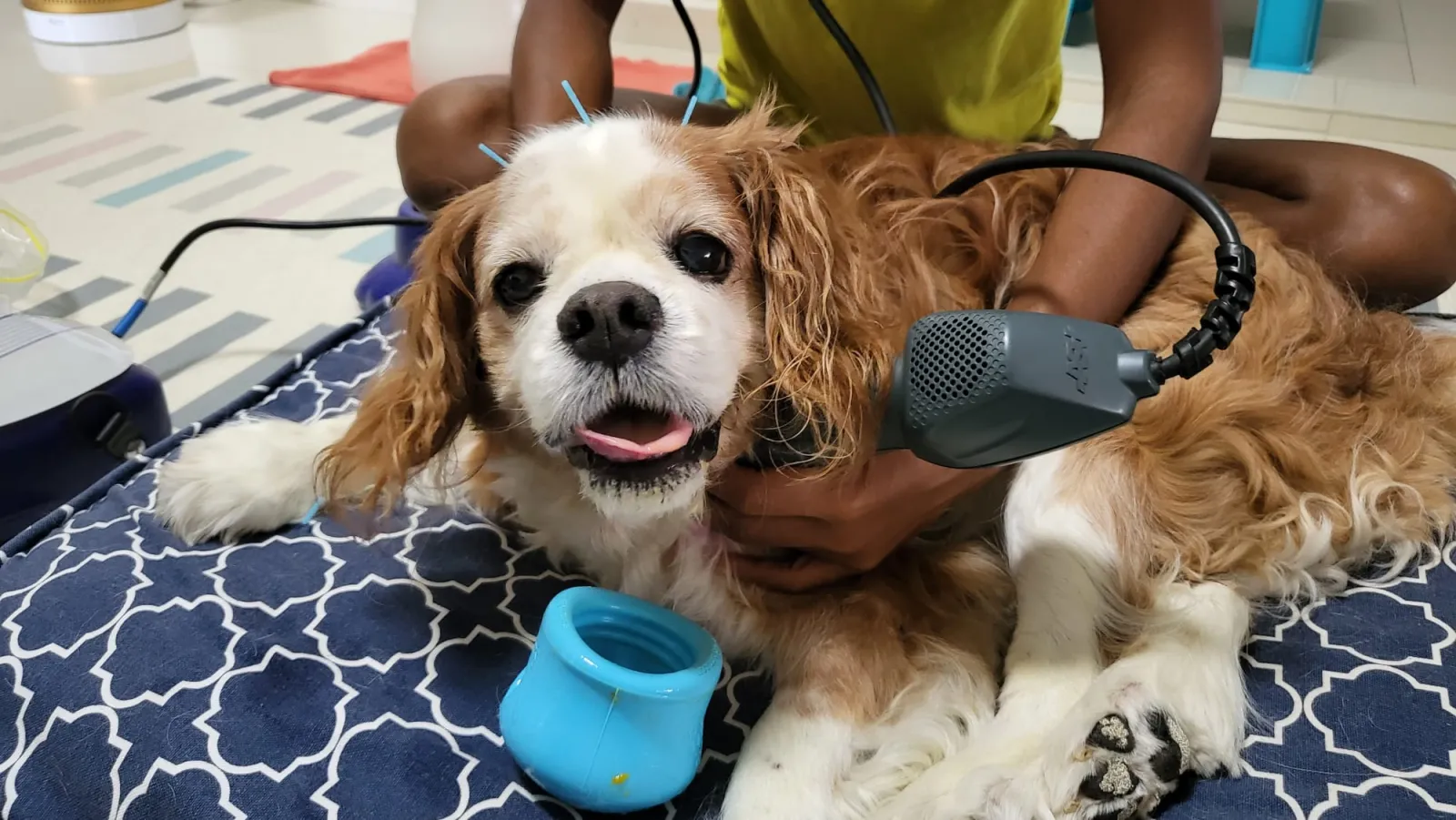
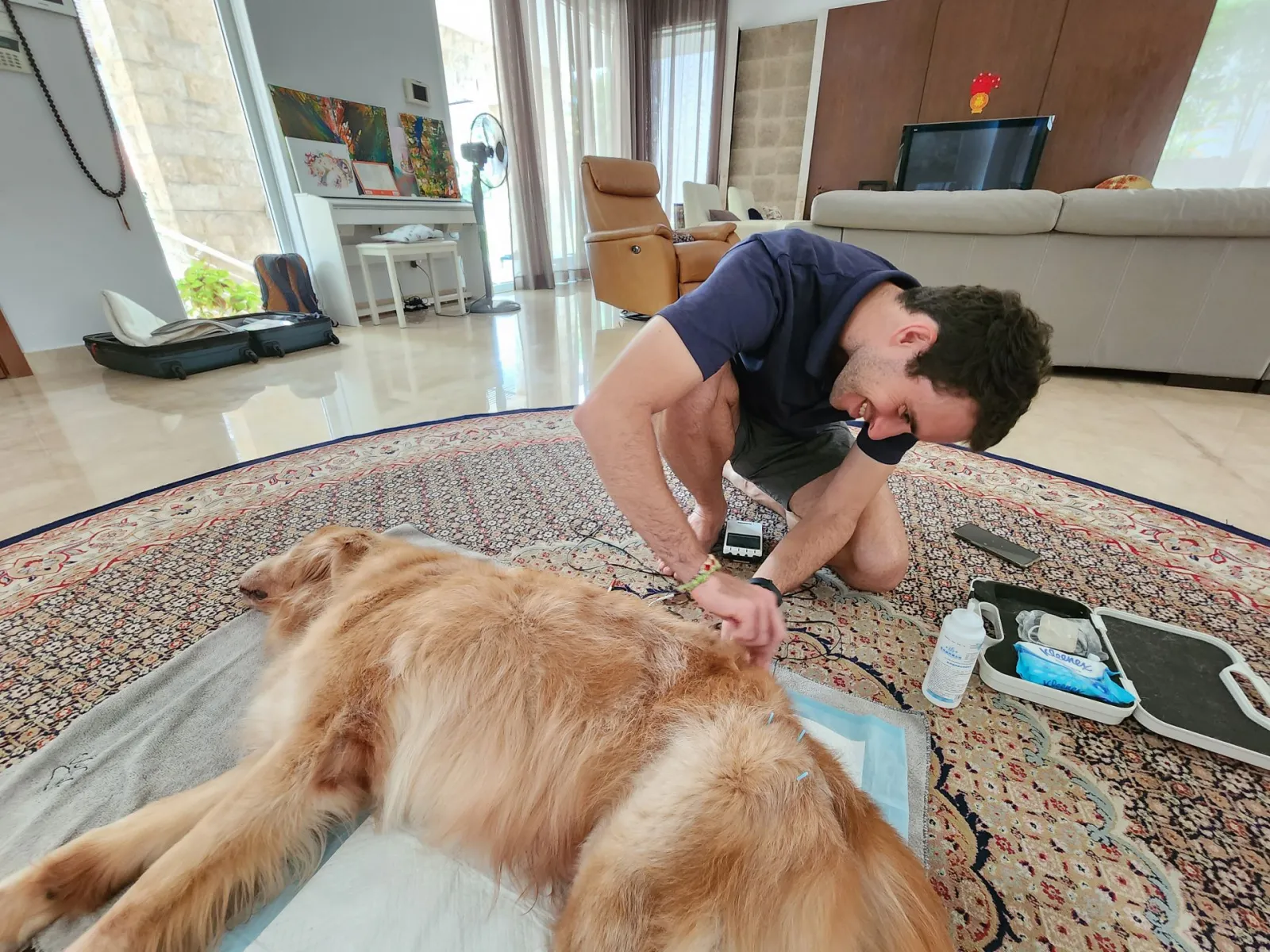
Acupuncture
Fine, sterile needles at specific points stimulate the nervous system to modulate pain and release endorphins, while supporting circulation.
Pet acupuncture →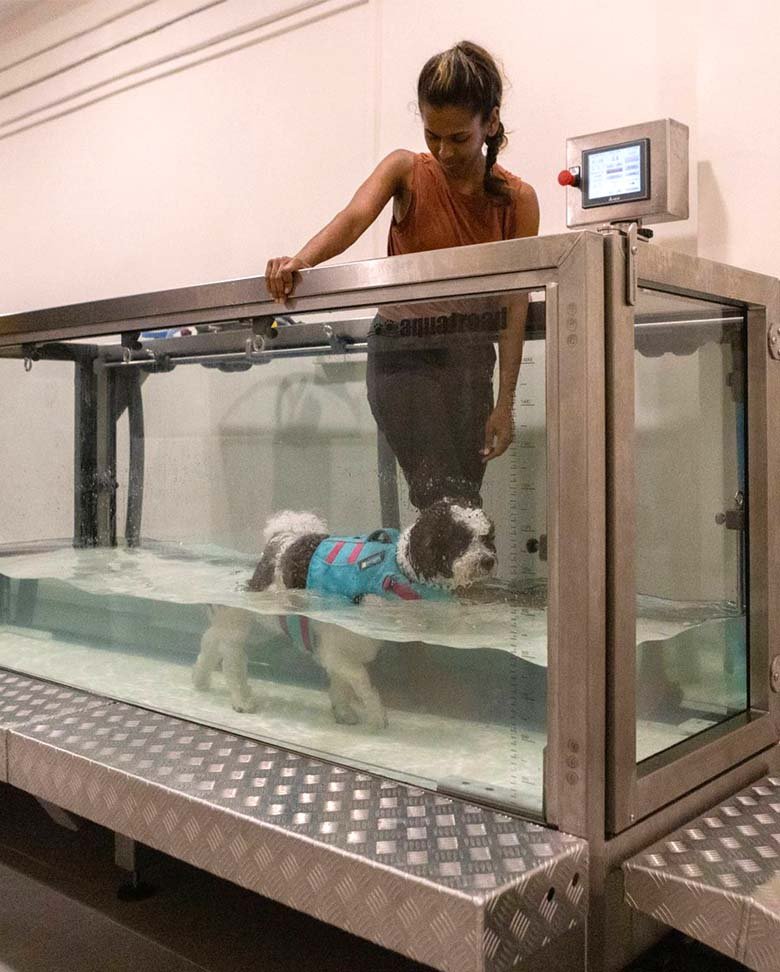
Hydrotherapy
On the underwater treadmill, buoyancy reduces weight-bearing stress on painful joints, so pets can move and build strength more comfortably.
Dog hydrotherapy →
Physiotherapy and exercise
Targeted exercise, massage and stretching keep muscles supporting the joints and help pets stay mobile.
Dog physiotherapy →
Nutrition and weight
Extra weight adds strain to sore joints. ARK builds dietary plans that blend nutrition science with TCM food therapy.
Nutrition and wellness →Conditions we commonly see
ARK supports dogs and cats living with long-term pain as well as pets recovering from injury or surgery. The plan is selected after assessment.
Conditions with an arrow open a guide from our vets. Read about joint and mobility conditions in the Pet Care Library →
Catching joint pain early
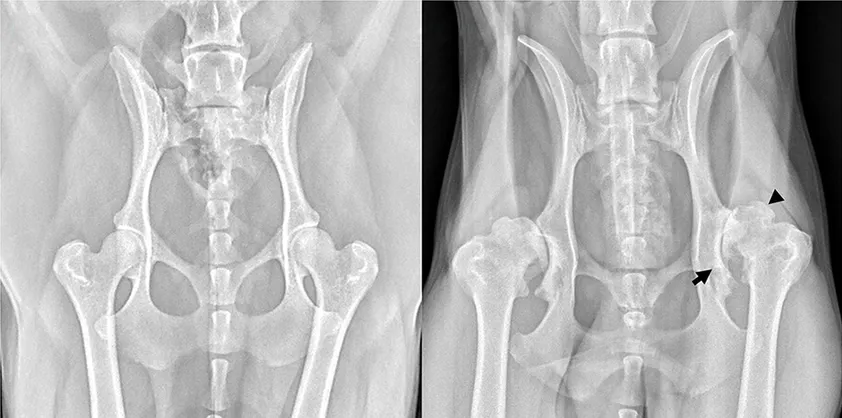
Many owners only seek help once a dog is limping, when joint damage is already established. Dr Priya explains how simple blood markers, serum hyaluronic acid (sHA) and C-reactive protein (CRP), can help detect osteoarthritis earlier, so care can start sooner. ARK offers this screening; ask about it at your pet’s assessment. Read the guide to early osteoarthritis diagnosis in dogs.
Supporting your pet’s comfort at home
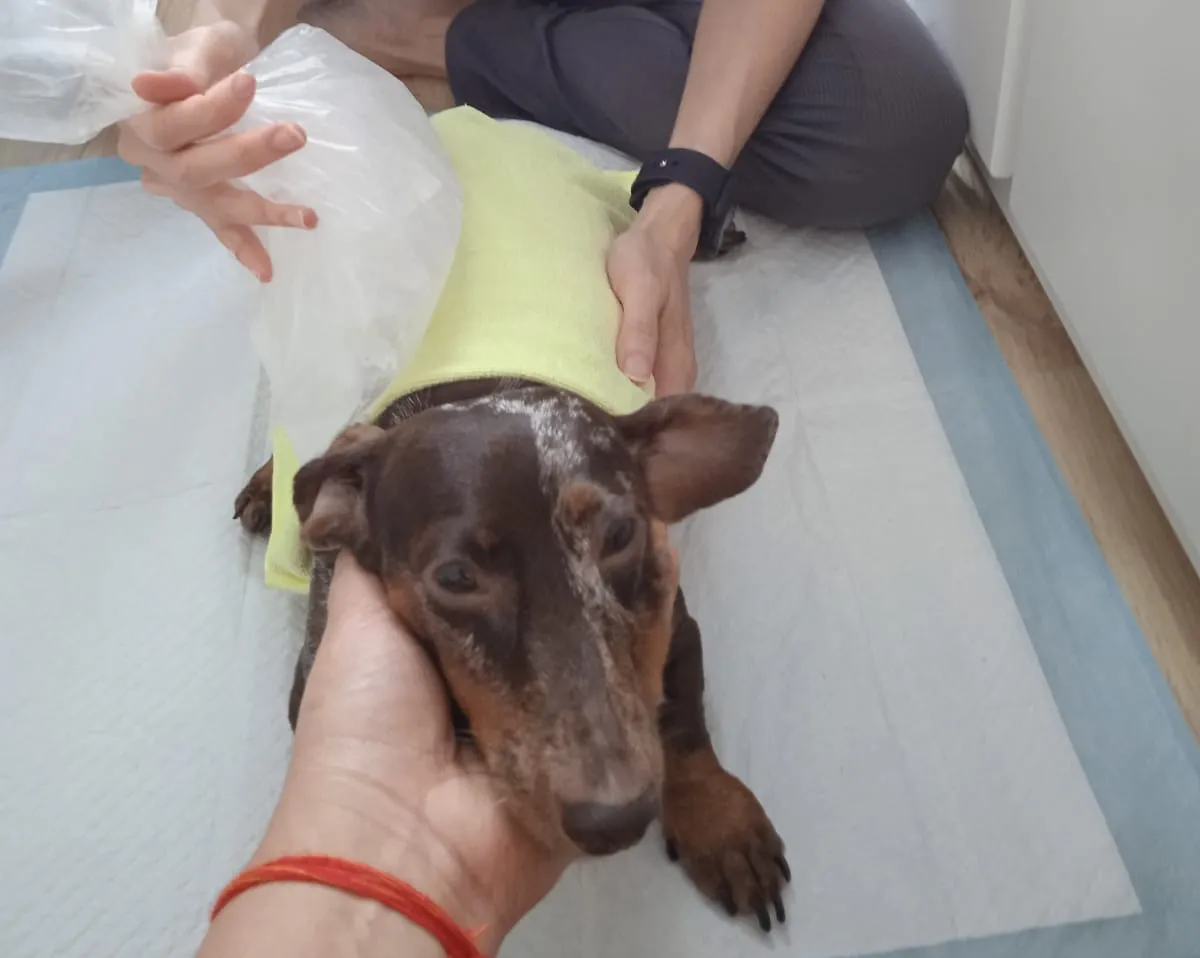
What happens between clinic sessions matters too. ARK teaches owners practical home care, always after checking with a veterinarian what suits their pet: hot and cold compresses for stiffness or fresh swelling, home TENS and laser devices used under veterinary guidance, and balance and strength exercises for senior dogs.
Below you will find the home devices ARK selects and free reading from our vets.